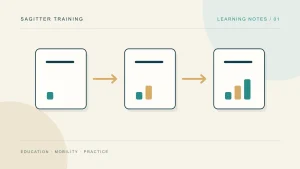
A school language trip may bring together confident speakers and students who need support to ask a simple question. Giving everyone an identical task with identical resources can leave some learners behind while offering too little challenge to others.
Planning for mixed language levels starts with a shared learning goal and different ways to reach it. The practical framework below helps teachers describe their group, discuss support with the language provider and design an activity that gives every student a meaningful role.
Describe what students can do
A school grade does not tell the whole story about communication in an unfamiliar setting. Use a short spoken task, a written task and student self-reflection to identify what the group can already manage. If the provider uses a placement test, agree how your observations will inform its grouping decisions.
- Can students introduce themselves, ask for directions and explain a preference?
- Where do they need help with listening, instructions or spontaneous interaction?
- Which resources help: pictures, model answers, key vocabulary or preparation time?
- Which interests could make a shared task relevant to the group?
Send the provider a concise learning profile. Handle confidential individual information through your school’s appropriate channels rather than including it indiscriminately in a general trip brief.
One shared goal with different support
This is an original teaching example, not a confirmed itinerary or a promise of results. Students choose between two cultural visits using authentic information checked by the teacher. Their shared goal is to understand the essential details, compare options and explain a choice.
| Support | Task and observable outcome |
|---|---|
| More support | Use a visual information sheet and sentence starters to identify the place, time and price, then express an understandable preference. |
| Some support | Compare both options, ask a clarification question and explain the choice with two reasons. |
| Greater independence | Consider an additional constraint, respond to a different view and help the group reach a reasoned decision. |
These descriptions are not language certificates or automatic CEFR level assignments. They identify support for a particular task. A student may need help with listening while working more independently in writing.
Make participation visible
Allow individual preparation, a paired discussion and a group response. Rotate roles: finding key information, asking a question and presenting the decision. The most confident student should not always speak on everyone’s behalf.
For an activity outside the classroom, agree the location, timings, supervision and intended interactions with the programme team. Do not assume that students can approach strangers or travel independently. The same exercise can run in class with authentic materials, without relying on a venue or member of the public being available.
A brief to share with the programme provider
| Field | What to agree |
|---|---|
| Group profile | Numbers, ages, working language and observed differences in communication skills. |
| Learning goal | A specific communication situation students will practise. |
| Organisation | Any level groups, shared activities, supervision and preparation sessions. |
| Resources | Models, vocabulary, pictures, differentiated instructions and additional time where appropriate. |
| Evidence | A short presentation, a reasoned choice or a written product, assessed against criteria students understand. |
The Council of Europe’s CEFR classroom guidance explains how relevant descriptors can connect planning, activities and observation of performance. The brief above is an original editorial tool for adaptation, not an official assessment instrument.
Review progress without overstating it
Use comparable tasks before and after the trip. Observe whether students understand the request, use resources, ask for clarification and explain a choice. Record the support needed as well as the final answer. A short visit provides opportunities to practise; it does not automatically establish progress to a higher language level.
Our guide to school ministays explains the format. When reviewing offers, check that the proposed lessons, activities and group arrangements are reflected in the school trip quote.
Frequently asked questions
Should students always be separated by level?
No. Language lessons may use particular groupings while a shared project uses differentiated tasks. Agree arrangements with the provider rather than assuming one approach fits every session.
Is an average group level enough?
No. The range of abilities and the situations students find difficult are also useful. They help the provider respond to the group’s actual learning needs.
Plan your next step
Tell us your students’ ages, group size, language levels and preferred dates to discuss a suitable school language trip.
Content and references checked on 16 October 2026. Teaching examples are original illustrations; programmes, availability and conditions need confirmation for each project.